
Organic search engine optimization is the most reliable way to grow steady, qualified traffic from search engines without relying on paid ads. By improving site structure, technical SEO, and content, organizations earn higher positions on search engine results pages and attract visitors who are already looking for what they offer. Done correctly, organic SEO compounds over time and becomes a durable growth engine.
To get there, teams need more than keywords. They need clear search intent, fast site speed, clean internal links, and high quality content that helps search engines understand every page. They also need data from tools like Google Search Console and Google Analytics to refine their SEO strategy.
Key Takeaways of What is Organic Search Engine Optimization?
- Organic search engine optimization builds long-term, cost-effective traffic by improving technical SEO, content quality, and authority.
- Unlike paid search, organic SEO continues to drive visitors and leads after campaigns are implemented, compounding results through stronger rankings and brand trust.
- Effective organic search engine optimization rests on four pillars: solid technical foundations, on-page optimization, a strategic content plan, and off-page authority signals like quality backlinks.
- Keyword research and search intent mapping ensure each page targets the right queries at the right buyer journey stage, using topic clusters and internal links to build topical authority.
- Ongoing measurement with tools like Google Search Console and Google Analytics, combined with testing and adaptation to algorithm updates, keeps organic SEO performance improving over time.
What Organic Search Engine Optimization Actually Means
Organic search engine optimization focuses on earning visibility in organic search results rather than buying paid search placements. It aligns relevant content, technical foundations, and authority signals so search engines like Google can confidently rank a particular page for the right keywords.
How Organic SEO Differs From Paid Search
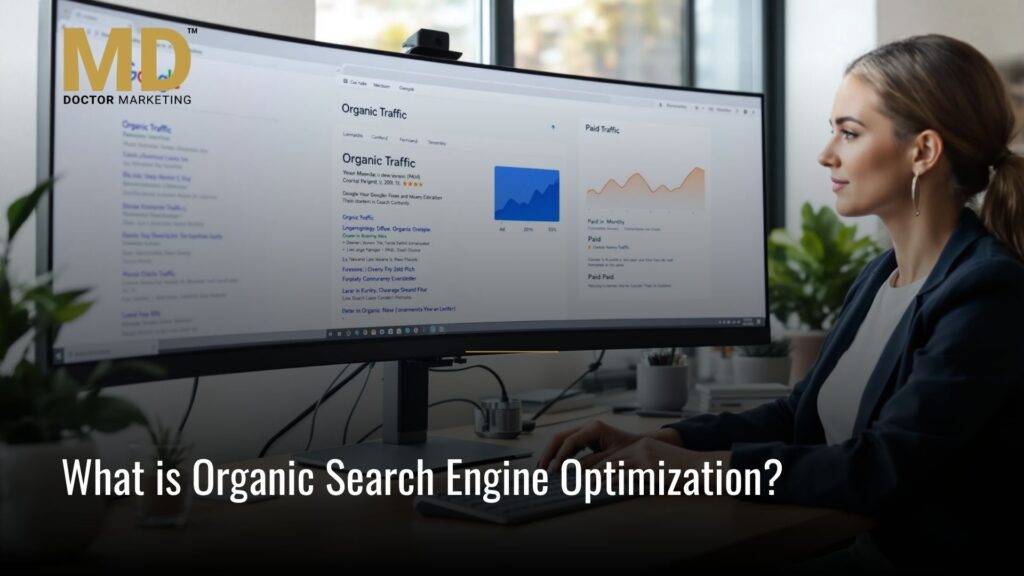
Organic SEO aims to increase organic search traffic from search engine results pages over months and years. It invests in content creation, technical SEO, and link building instead of paying for every click.
Paid search, by contrast, buys immediate visibility through paid ads and paid search results. When the ad budget stops, search traffic usually disappears with it. Organic SEO efforts, once established, continue generating traffic and leads.
Organic search engine optimization also builds credibility. Users tend to trust top organic search results more than ads, so strong organic rankings often deliver better click-through rates and conversion potential customers.
Why Organic SEO Matters For Long-Term Growth
For many website owners, organic search drives most visitors and leads. Studies repeatedly show organic search results get far more clicks than paid search in engine results pages SERPs.
Because organic search engine optimization compounds, early wins amplify over time. A strong organic SEO strategy often lowers acquisition costs, supports brand awareness, and strengthens domain authority compared with short-term paid campaigns.
Organic search engine optimization also protects against over-reliance on any one channel. When organic rankings and organic search traffic grow, businesses gain predictable search traffic that is less vulnerable to ad price changes or platform shifts.
Core Building Blocks Of Organic SEO
Effective organic SEO rests on four pillars: technical foundations, on-page SEO, content strategy, and off-page authority. Each piece helps search engines understand web pages and decide where they should appear in search engine rankings.
1. Technical Foundations: Making Your Site Crawlable And Fast
Technical SEO ensures search engine crawlers can access and index all relevant pages. Clean sitemaps, logical internal links, and no major broken links are essential.
Site speed and mobile friendliness strongly affect search results. Slow pages increase bounce rates, while fast, responsive pages tend to rank better and convert more organic search traffic.
Technical SEO also includes handling duplicate content, proper redirects, and structured data. Together these elements help search engines understand site structure and reduce crawling issues.
2. On-Page Optimization: Structuring Content For Users And Search Engines
On page SEO focuses on optimizing each page so it matches the user’s search query and delivers valuable content. It starts with clear page titles, descriptive URLs, and a compelling meta description.
Pages should use headings, keyword optimization, and natural internal links. These elements signal topic focus, highlight relevant content, and guide both readers and search engine crawlers through the page.
Good on-page SEO avoids keyword stuffing. Instead, it uses relevant keywords and semantic variations in a natural way that improves readability and search intent alignment.
3. Content Strategy: Creating Helpful, Search-Focused Pages
A strong content strategy powers organic SEO by answering real search queries along the buyer journey. It focuses on high quality content that solves problems clearly.
Teams start with keyword research, then plan blog posts, guides, and landing pages around target keywords and long tail keywords. Each piece should match a clear search intent and offer more depth than competing search results.
Over time, this content cluster approach builds topical authority. It helps search engines connect related web pages and trust the site on specific subjects.
4. Authority And Trust: Backlinks, Mentions, And E-E-A-T Signals
Search engines use off page SEO signals to judge credibility. High quality backlinks from reputable websites act like votes of confidence and can lift keyword rankings. Not all links are equal. Links from relevant pages on strong domains carry more weight than random links from low-quality sites. Anchor text should be natural and not overly optimized.
Beyond links, signals like consistent brand mentions, expert authorship, and accurate information support E-E-A-T. Together they help increase a site’s visibility and organic rankings over time.
Keyword Research For Organic SEO
Keyword research is the backbone of organic search engine optimization. It reveals how people describe their problems, how often they search, and which topics can realistically generate search traffic.
Understanding Search Intent And The Buyer Journey
Every keyword carries an underlying search intent. It may be informational, commercial research, transactional, or navigational. Organic SEO works best when pages match that intent.
For example, early-stage informational queries deserve educational blog post content. Later-stage commercial queries might need comparison pages that address specific concerns before contacting sales.
Mapping keywords to buyer journey stages prevents gaps and overlaps. It ensures each relevant search query leads to a page that feels tailored to that moment.
Finding And Prioritizing Keywords With Real Opportunity
Effective keyword research balances search volume, difficulty, and relevance. High search volume alone is not enough if the page cannot realistically reach the first search engine results pages.
Long tail keywords often offer better opportunities. They usually have clearer search intent, lower competition, and higher conversion rates because they reflect specific needs.
Teams should group related target keywords into topics. Then they can determine which topics support strategic goals and deserve deeper content creation.
Mapping Keywords To Pages And Site Structure
Once target keywords are selected, they must be mapped to specific web pages. Each primary keyword should align with a single, most relevant page.
This approach reduces internal competition and duplicate content problems. It also helps search engines understand which page to rank for each term.
Internal links can then connect related pages within each topic cluster. This structure strengthens topical authority and clarifies how content pieces support one another in engine optimization efforts.
On-Page SEO Best Practices
On-page SEO turns keyword research into search-ready pages. It fine-tunes titles, URLs, headings, copy, and media so each page earns maximum visibility in google search results.
Crafting SEO-Friendly Titles, URLs, And Meta Descriptions
Page titles should include the main keyword near the beginning and promise clear value. They must also stay within typical search engine results character limits.
URLs work best when short, readable, and descriptive. Removing unnecessary parameters helps search engines and users understand page topics quickly.
A compelling meta description can improve click-through rates from engine results pages SERPs. It should summarize the benefit, repeat relevant keywords naturally, and match the user’s search query.
Using Headings, Internal Links, And Schema Markup
Headings break content into logical sections and emphasize important topics. Including relevant keywords in H2s and H3s supports both readability and keyword optimization.
Internal links guide users to related content and distribute authority. They also help search engines discover other pages and understand topic relationships.
Where appropriate, schema markup can qualify a page for rich results in google search. This extra context helps search engines understand entities, reviews, FAQs, and more.
Optimizing Images, Media, And Readability
Images and media should load quickly and include descriptive file names and alt text. This supports accessibility and gives search engines additional context about page content.
Compressing files and using modern formats improve site speed, which benefits search engine rankings and user satisfaction on mobile devices.
Readable formatting matters, too. Short paragraphs, clear subheadings, and simple language help visitors consume valuable content and stay longer on the page.
Off-Page SEO And Link Building Essentials
Off-page SEO reinforces on-site work by signaling trust and authority. High quality backlinks, brand mentions, and consistent profiles across platforms help improve organic SEO performance.
Earning High-Quality Links (Without Spammy Tactics)
The best links come from reputable websites that genuinely value the content. They usually result from strong ideas, good outreach, or existing relationships. Tactics like guest contributions, expert quotes, and original data can attract links naturally. Buying links or using automated schemes risks penalties under the Google algorithm.
Instead, focusing on content worth citing leads to sustainable link building. It improves domain authority and supports better search engine rankings.
Leveraging Digital PR, Partnerships, And Content Promotion
Digital PR connects brands with journalists, bloggers, and industry publications. Well-timed stories, research, or insights can earn coverage and high quality backlinks. Partnerships with complementary businesses also help. Joint webinars, co-authored reports, or shared events often produce links from other websites in the same niche.
Consistent content promotion through email, social channels, and communities ensures new web pages do not stay invisible. Promotion and organic SEO strategy should work together.
Building A Strong Brand Presence Across The Web
Search engines increasingly reward recognizable brands. A cohesive presence across websites, Google Business Profile, and Google Maps supports trust and local SEO. For local businesses, accurate citations and reviews help improve local search results. They reinforce signals search engines use to rank nearby providers.
Brand searches, direct visits, and positive reviews also support organic SEO. They indicate that potential customers know and trust the brand beyond a single search query.
Measuring And Improving Your Organic SEO Performance
Organic search engine optimization only improves when it is measured. Clear reporting highlights which pages drive results, which keywords grow, and where to refine efforts.
Key Metrics And Tools To Track Organic Visibility
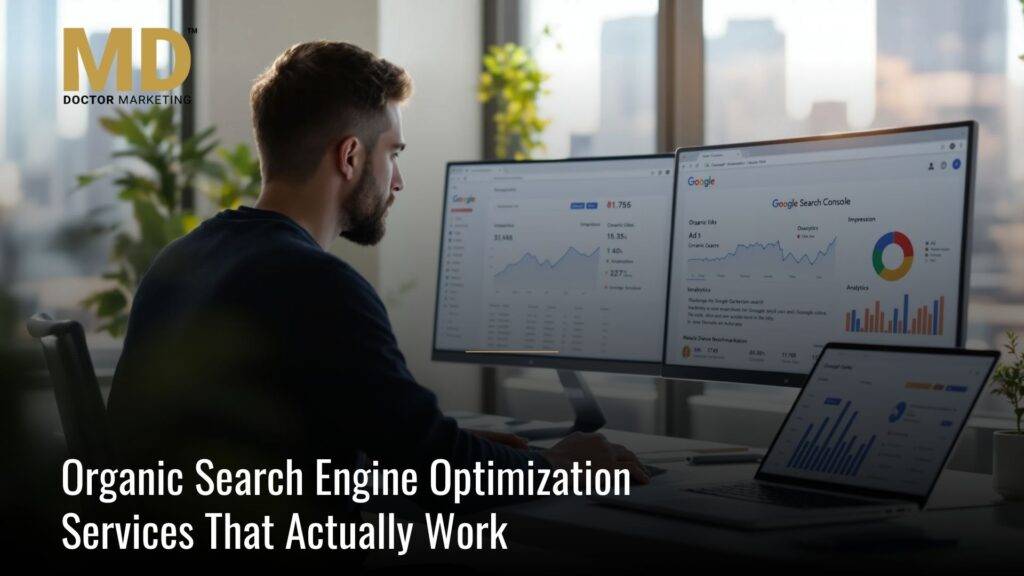
Google Search Console reveals how a site appears in google search. It shows search engine results data like impressions, clicks, keyword rankings, and average positions. Google Analytics helps track organic traffic, conversions, and behavior on relevant pages. Together, these tools show whether organic seo efforts move key metrics in the right direction.
Site speed audits, crawl reports, and backlink tools complete the picture. They reveal technical issues, broken links, and new linking opportunities from other websites.
SEO Testing, Iteration, And Staying Aligned With Algorithm Updates
Organic SEO is not a one-time project. Regular testing of titles, meta descriptions, and content layouts can gradually improve search rankings and click-through rates. Monitoring google algorithm updates helps teams react quickly. When visibility shifts, they can review affected pages, search intent alignment, and overall organic seo strategy.
Continuous iteration on high-value pages, guided by real data, keeps a site competitive in search engine results. It ensures ongoing growth rather than short-lived spikes.
Frequently Asked Questions About What is Organic Search Engine Optimization?
What is organic search engine optimization and how does it work?
Organic search engine optimization is the process of earning visibility in unpaid search results by improving your site’s technical health, content quality, and authority signals. When pages are crawlable, fast, and aligned with search intent, search engines like Google are more likely to rank them higher for relevant queries.
How is organic SEO different from paid search advertising?
Organic SEO focuses on long-term growth through content, technical SEO, and link building that earn free clicks over time. Paid search buys immediate visibility through ads. When ad spend stops, traffic usually drops, while effective organic search engine optimization continues driving visits and leads for months or years.
Why is organic search engine optimization important for long-term business growth?
Organic SEO typically drives a large share of website traffic and leads because users trust top organic results more than ads. As rankings improve, results compound, lowering customer acquisition costs, strengthening brand awareness, and reducing dependence on volatile paid channels or platform changes.
What are the main building blocks of a strong organic SEO strategy?
A strong organic SEO strategy rests on four pillars: solid technical foundations, effective on-page optimization, a focused content strategy, and off-page authority. Together they ensure pages are crawlable, intent-aligned, and supported by quality backlinks and brand signals, which help improve search engine rankings over time.
How long does organic search engine optimization usually take to show results?
Most websites start seeing meaningful organic SEO gains in 3–6 months, but competitive niches can take 6–12 months or more. Timelines depend on site age, technical health, content depth, and competition. Because improvements compound, consistent work typically leads to stronger, more stable rankings over time.
Conclusion and Summary of What is Organic Search Engine Optimization?
Organic search engine optimization remains one of the most cost-effective ways to reach a target audience at scale. It builds durable visibility in google search results through technical strength, relevant content, and trustworthy authority.
By combining solid keyword research, thoughtful on page SEO, careful link building, and consistent measurement, website owners can build a sustainable stream of organic traffic. The work takes time, but the compounding payoff in search engine results pages makes organic SEO worth the investment.
To learn more about Google Organic Search for Healthcare & Medical, contact us at Doctor Marketing, MD or call 877-463-9777 ext. 3 for Your Free Consultation.

Marty has worked across Plastic Surgery, Aesthetics, Dental, MedSpa, Medical Group, Surgical Center, and Hospital System verticals, identifying Structural Demand leakage patterns that directly impact same-location Patient Volume, Acquisition Economics, and EBITDA Performance. His engagements have spanned hundreds of locations across multiple verticals and geographies.
His approach operates at the intersection of Healthcare Operations and Location-Level Demand Intelligence, providing C-Suite Leadership with Decision-Grade Insight into where patient demand goes before it reaches their facilities. The Demand Recovery™ Framework was developed through years of direct engagement with organizations experiencing measurable Location-Level Demand Variance, and is now the operating methodology behind every Diagnostic and Recovery Engagement the firm delivers.
- Demand Recovery Vs Patient Growth For Healthcare CFOs - February 20, 2026
- Why Multi-Location Medical Organizations Underperform Their Own Footprint - February 19, 2026
- Paid Acquisition Trap in Multi-Location Healthcare - February 18, 2026