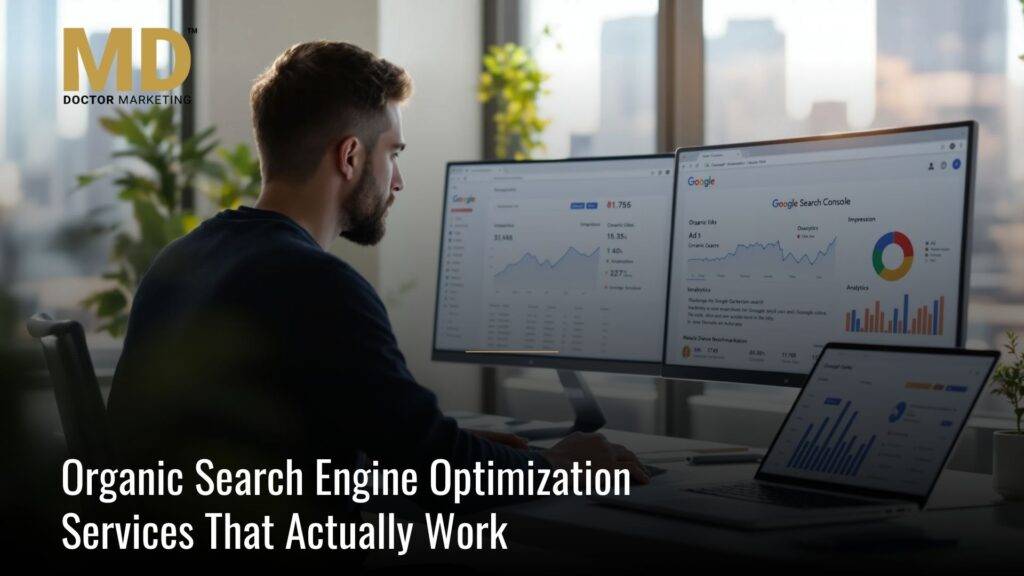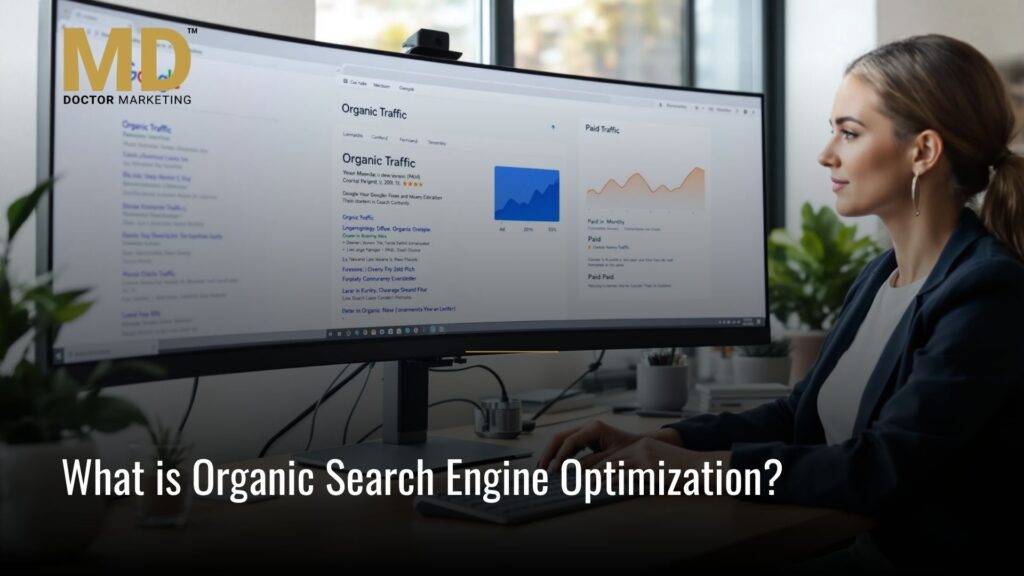

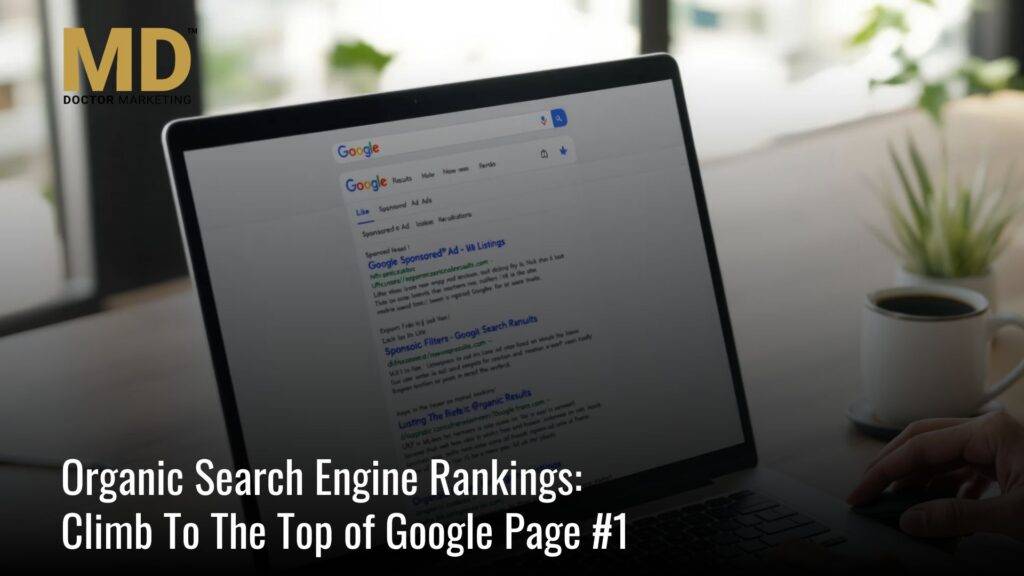
Organic search engine rankings are the unpaid positions a web page earns on search engine results pages, based purely on relevance, quality, and authority. To improve organic search engine rankings, a site must align content with search intent, fix technical issues, and build trust through authoritative signals. Done well, this brings consistent organic traffic without relying on paid advertising.
Most website owners want three things: more qualified search traffic, better search engine rankings, and sustainable visibility. That demands clear keyword optimization, a sound technical SEO foundation, and content that actually answers the user’s search query. When those pieces work together, organic search results start to move upward and stay there.
Key Takeaways of Organic Search Engine Rankings
- Organic search engine rankings are earned, unpaid positions based on relevance, authority, and user experience, making them more trusted and sustainable than paid search results.
- Improving organic search engine rankings requires aligning content with search intent, performing ongoing keyword research, and building search-focused pages that fully answer user questions.
- Technical SEO, directly influences how consistently and highly your pages rank in organic search.
- Earning authority through high-quality backlinks, thoughtful internal linking, and consistent publication of original, useful content is essential to long-term organic visibility and traffic growth.
- Regularly tracking performance in Google Analytics and Google Search Console lets you refine your SEO strategy, protect existing rankings, and uncover new opportunities for organic growth over time.
What Organic Search Engine Rankings Actually Are
Organic search engine rankings are the natural, unpaid positions that a site earns on search engine results pages for specific target keywords.
Organic Search Results vs Paid Search Results
The organic search results appear because search engine algorithms decide a web page is relevant, helpful, and trustworthy for a search query. No money changes hands for these placements, and positions depend on how well the web page’s content matches search intent.
Paid search results, by contrast, are placements bought through paid search ads. Businesses bid on relevant keywords, and their ads appear at the top or bottom of the search results page. When the budget stops, that visibility disappears instantly.
Because organic search rankings are not bought, they usually carry more trust. Users often scroll past paid search to reach organic listings, especially for research‑driven decisions and higher‑value services.
How Search Engines Understand Organic Rankings
To decide where a page ranks, search engines send out search engine crawlers that follow internal links and links from other sites. These crawlers copy web page content back to search engine servers, so pages can be indexed and evaluated.
Search engines understand a page by analyzing its text, headings, page titles, meta descriptions, and links. They also look at engagement signals, such as whether users quickly bounce back to the search results.
Across thousands of queries, these systems work to produce the best organic position for each result. When a site structure is clean and pages are easy to properly crawl, organic rankings become more stable and predictable.
Why Organic Rankings Matter For Your Business Or Website
Organic rankings matter because they provide sustainable, high‑intent search traffic without the continuous costs of paid advertising.
How Organic Traffic Translates Into Revenue
Organic traffic often converts better than many other channels. People arriving from organic search are usually researching a specific problem and actively want answers or solutions. That makes them far more valuable than passive social media visitors.
For local businesses, strong local search results and Google Maps visibility can drive calls and bookings directly from mobile devices. When a business appears among the top organic results and in local directories, trust and click‑through rates rise together.
The Long-Term Value of Organic Search Presence
Paid search can be turned on or off in a day, but organic search presence compounds gradually. Every high quality article, internal link, and authoritative backlink continues to work for months or years.
High organic search engine rankings for important long tail keywords protect a business from sudden ad cost spikes or budget cuts. The site ranks because it deserves to rank, not because it outspent competitors.
How Search Engines Determine Organic Rankings
Search engine algorithms evaluate hundreds of signals to decide how a site ranks for a user’s search query.
Key Ranking Factors Search Engines Use
At a basic level, algorithms compare the web page’s content to the search queries. They check whether relevant keywords appear in headings, body copy, and page titles, but also whether the content offers real value.
Authority matters as well. Links from reputable websites, especially authoritative sites in the same industry, act like votes of confidence. A strong backlink profile is a reliable key ranking factor across search engines.
User Experience and Behavioral Signals
Search rankings are influenced by user experience signals, including site speed, mobile friendliness, and overall usability. If people struggle to load or navigate a site, they leave quickly.
When engagement is stronger than on competing pages, organic search rankings often improve. Search engines aim to present pages that meet needs quickly, with high quality images, clear formatting, and straightforward navigation.
Core Strategies To Improve Your Organic Search Rankings
Improving organic search rankings requires a combined focus on keyword research, content quality, authority, and user experience.
Keyword Research And Search Intent Alignment
Effective keyword research starts with understanding the target audience. They must know which questions people ask, what language they use, and how often each topic appears in search volume data.
A keyword research tool helps reveal long tail keywords with clear search intent and realistic difficulty. These phrases often deliver high intent traffic while being easier to rank for than broad terms.
Aligning content to search intent means going beyond keyword stuffing. Each page should answer the core question behind the search, provide next steps, and guide visitors smoothly to related resources.
Building High-Quality, Search-Focused Content
Search-focused content addresses specific problems in depth, using clear structure and evidence. It should be written for humans first while also helping search engines understand the topic.
Website owners can map each cluster of relevant keywords to a single comprehensive page. This avoids duplicate content across multiple pages and concentrates authority on one strong resource.
High quality backlinks naturally flow to pages that become definitive answers. Over time, these pages tend to climb in organic search engine rankings and attract links from other sites seeking credible references.
Earning Links And Authority Over Time
Link building is less about quick tricks and more about consistent value. People link to content that clarifies complex topics, offers data, or shares unique frameworks.
Outreach to other websites, guest contributions, and digital PR help surface that content. When links come from reputable websites with real traffic, they transfer meaningful authority.
Internal links also support authority flow. By linking from related articles to cornerstone resources, site owners show search engine crawlers which pages carry the most weight.
On-Page Optimization Essentials
On-page optimization tunes individual pages so they match search intent and communicate relevance clearly to search engines.
Optimizing Titles, Meta Descriptions, And Headings
Page titles should include primary target keywords while remaining compelling for users. A strong title promises a clear benefit or answer to the search queries.
Meta descriptions do not directly boost SEO rankings, but they influence click‑through rate from search engine results pages. Higher engagement can indirectly support better organic rankings.
Headings break content into logical sections. When headings reflect how users phrase questions, they help search engines understand structure and context.
Improving Content Structure And Internal Linking
A well‑structured article is easier for humans and bots to scan. Short paragraphs, descriptive subheadings, and bullet lists guide readers straight to what they need.
Internal links weave multiple pages into a coherent content strategy. They send users to deeper resources and help search engine crawlers properly crawl the entire site.
Thoughtful internal linking distributes authority across related pages, reinforcing topical relevance and improving site’s visibility across many organic search results.
Technical Factors That Influence Organic Rankings
Technical SEO removes roadblocks that prevent search engine crawlers from accessing, understanding, and rewarding the site.
Site Speed, Mobile-Friendliness, And Core Web Vitals
Fast loading pages keep users engaged and reduce bounce rates. Site speed is closely tied to Core Web Vitals, which measure loading, interactivity, and visual stability.
On mobile devices, responsive design, readable fonts, and simple navigation are essential. Google Search now primarily evaluates the mobile version when deciding how a site ranks.
Improving these metrics usually requires image optimization, efficient code, and reliable hosting. Incremental gains here often translate into better organic search rankings.
Crawlability, Indexing, And Site Architecture
If search engine crawlers cannot reach a page, it will never appear in organic research across any query. Clean sitemaps and logical site structure solve this problem.
Broken links, orphan pages, and messy URL patterns confuse both bots and users. Fixing these issues helps search engines understand relationships between multiple pages.
A strong architecture groups related content into clear sections, supported by internal links. This lets search engines index important content efficiently and present it confidently in organic search results.
Measuring And Tracking Your Organic Search Performance
Measurement turns guesswork into a guided SEO strategy grounded in data.
Using Analytics And Search Console To Refine Your Strategy
Google Analytics shows how much organic traffic arrives, which pages attract it, and how those visitors behave. Website owners can compare performance across channels and time periods.
Google Search Console reveals which search queries drive impressions and clicks, plus the average organic position for each page. It also highlights indexing problems and potential penalties.
Other search engines provide similar tools, but most teams start with Google because of its scale. Combining these insights makes it easier to improve organic search rankings.
Teams should track SEO performance monthly at minimum. Over time, patterns emerge about what content strategy works, which organic rankings slip, and where to invest next.
Frequently Asked Questions About Organic Search Engine Rankings: Climb To The Top of Google Page #1
What are organic search engine rankings and how do they work?
Organic search engine rankings are the unpaid positions your web pages earn on search results pages. Search engines use algorithms to evaluate relevance, content quality, authority, and user experience. Pages that best match search intent and demonstrate strong authority and usability rise higher in the organic listings over time.
Why are organic search engine rankings important for my business?
Strong organic rankings drive consistent, high‑intent traffic without ongoing ad spend. Visitors from organic search are often actively researching problems and ready for solutions, so they convert well. Over time, good rankings build brand credibility, protect you from ad cost spikes, and generate leads long after content is published.
How can I improve my organic search engine rankings step by step?
Start with keyword research to understand search intent and target realistic, high‑value phrases. Create in‑depth, search‑focused content that fully answers user questions. Optimize titles, meta descriptions, and headings, strengthen internal links, improve site speed and mobile experience, and earn authoritative backlinks through useful resources and strategic outreach.
How long does it take to see results from organic SEO efforts?
Most sites see meaningful movement in organic rankings within 3–6 months, depending on competition, site history, and implementation quality. Highly competitive keywords can take 12 months or more. Consistent publishing, technical fixes, and link acquisition usually compound over time, so results accelerate rather than appearing all at once.
What are the most common mistakes that hurt organic search performance?
Common issues include targeting keywords without understanding search intent, thin or duplicate content across multiple pages, slow page speed, poor mobile experience, weak internal linking, and low‑quality backlinks. Ignoring analytics and Search Console data also hurts, because it prevents you from spotting declining pages and fixing technical or content gaps.
Conclusion and Summary of Organic Search Engine Rankings: Climb To The Top of Google Page #1
Organic search engine rankings are built, not bought. Reaching the top of Google’s first page requires aligning content with real search intent, maintaining a strong technical foundation, and earning trust through authority and user experience. When keyword research, content quality, internal linking, and technical SEO work together, rankings rise more consistently and remain stable over time.
The long-term value of organic search lies in its durability. Unlike paid search, organic visibility compounds as high-quality pages continue to attract traffic, links, and engagement month after month. By tracking performance, refining strategy based on data, and consistently publishing useful, search-focused content, websites can achieve sustainable growth, stronger credibility, and lasting visibility at the top of organic search results.
To learn more about Google Organic Search for Healthcare & Medical, contact us at Doctor Marketing, MD or call 877-463-9777 ext. 3 for Your Free Consultation.

Marty has worked across Plastic Surgery, Aesthetics, Dental, MedSpa, Medical Group, Surgical Center, and Hospital System verticals, identifying Structural Demand leakage patterns that directly impact same-location Patient Volume, Acquisition Economics, and EBITDA Performance. His engagements have spanned hundreds of locations across multiple verticals and geographies.
His approach operates at the intersection of Healthcare Operations and Location-Level Demand Intelligence, providing C-Suite Leadership with Decision-Grade Insight into where patient demand goes before it reaches their facilities. The Demand Recovery™ Framework was developed through years of direct engagement with organizations experiencing measurable Location-Level Demand Variance, and is now the operating methodology behind every Diagnostic and Recovery Engagement the firm delivers.
- Demand Recovery vs. Patient Growth For Healthcare CFOs - February 20, 2026
- Why Multi-Location Medical Organizations Underperform Their Own Footprint - February 19, 2026
- Paid Acquisition Trap in Multi-Location Healthcare - February 18, 2026